What are Microcontroller Units and Their Role in Modern Electronics
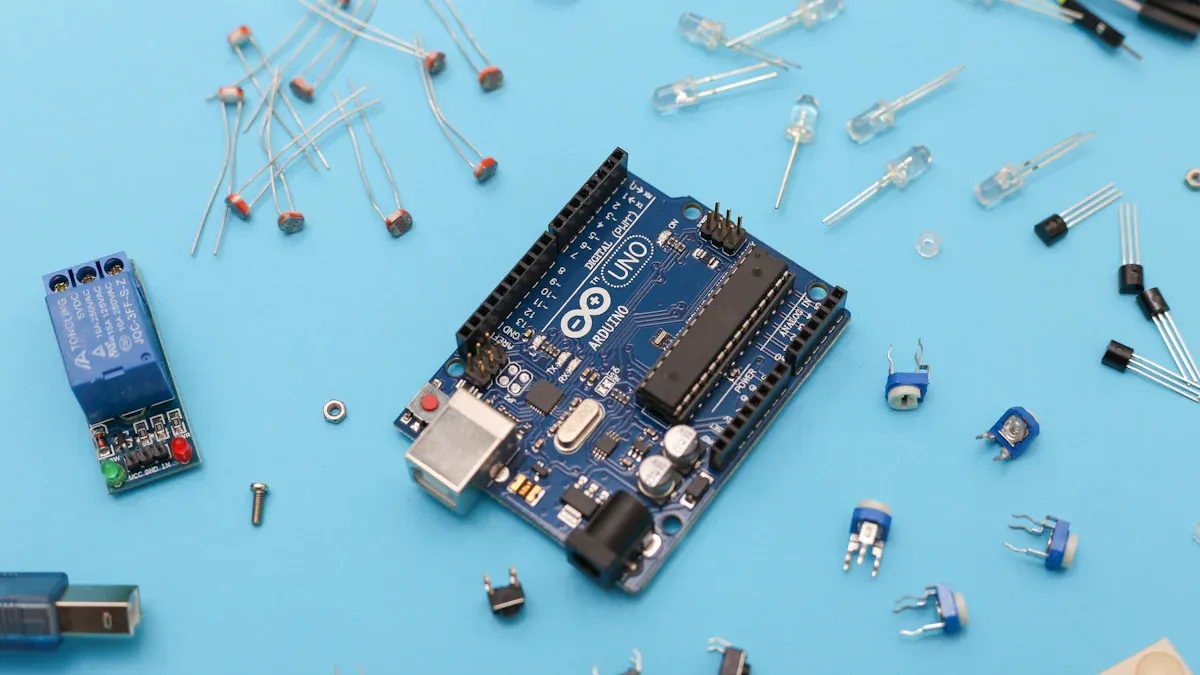
Microcontroller units (MCUs) are small computers on a single chip. They control various electronic devices by processing data and executing commands. You can find MCUs in many everyday items, such as microwaves, washing machines, and smart home devices. The MCU electronics industry is rapidly growing. The market is projected to reach 19.8 billion USD in 2024, mainly due to the rise of Internet of Things (IoT) devices. By 2035, this market may expand to 212.1 billion USD, showing how essential MCUs have become in modern technology.
Key Takeaways
Microcontroller units (MCUs) are essential components in modern electronics, acting as the brain of devices like microwaves and smart home gadgets.
MCUs integrate a processor, memory, and peripherals into a single chip, allowing for efficient control of electronic systems.
When selecting an MCU, consider factors like processing power, memory size, and required interfaces to ensure it meets your project needs.
MCUs enhance the functionality of consumer electronics, industrial automation, automotive systems, and medical devices, making them smarter and more efficient.
Programming an MCU is accessible for beginners; start with simple projects and gradually learn programming languages like C or Python.
What is an MCU?
Definition and Function
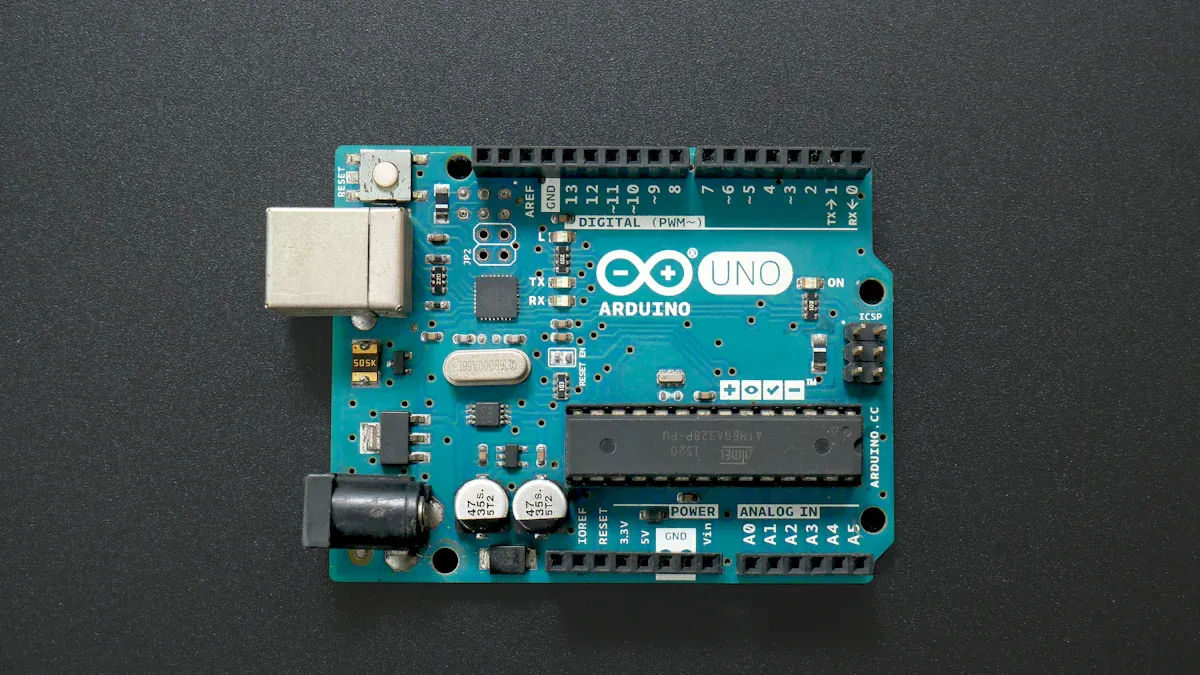
Microcontroller units (MCUs) are integrated circuits that serve as the brain of electronic devices. They combine a processor, memory, and various peripherals into a single chip. This compact design allows MCUs to control a wide range of electronic systems efficiently.
You can think of an MCU as a mini-computer that processes inputs from sensors and executes commands to control outputs. Here are some primary functions of MCUs in electronic systems:
Acts as the brain of electronic systems, processing inputs from sensors.
Executes predefined tasks and produces outputs to control devices like motors or displays.
Fetches, decodes, and executes instructions to perform specific functions.
Makes decisions based on external inputs and manages outputs.
Embedded to control a single function in a device, interpreting data from I/O peripherals and communicating actions.
MCUs play a crucial role in modern electronics. They enable devices to respond intelligently to user inputs and environmental changes. This capability makes them essential in applications ranging from household appliances to complex industrial systems.
Key Components
A typical microcontroller unit consists of several key components that work together to perform its functions. Here’s a breakdown of these essential parts:
Central Processing Unit (CPU): Executes instructions and processes data.
Memory: Includes both volatile (RAM) and non-volatile (ROM/Flash) memory for storing data and program instructions.
Input/Output Ports (I/O): Allow the MCU to communicate with external devices.
Timers/Counters: Generate precise delays and manage events.
Interrupt System: Responds to external events, allowing the MCU to react quickly.
Special Function Modules: These may include Analog-to-Digital Converters (ADCs), Digital-to-Analog Converters (DACs), Pulse Width Modulation (PWM), and communication interfaces.
The interaction between these components is vital for the MCU's operation. For example, the CPU receives data from I/O peripherals, temporarily stores it in RAM, and executes instructions from non-volatile memory. This collaboration enables the MCU to control various functions within a device effectively.
Component | Role |
|---|---|
Central Processing Unit | Executes instructions and processes data. |
Volatile Memory (RAM) | Temporarily stores data that the processor uses during execution. |
Non-volatile Memory | Stores program instructions and operating parameters. |
I/O Peripherals | Interfaces for the processor to communicate with external devices. |
Communication Interfaces | Allows data transfer between microcontrollers and other devices. |
Timers and Counters | Generate precise delays and manage events. |
Analog-to-Digital Converters | Convert analog signals to digital data for processing. |
Clock Generator | Provides timing signals for the microcontroller's operations. |
In-circuit Programming | Supports programming and debugging while the microcontroller is in the circuit. |
Understanding these components helps you appreciate how MCUs function in various applications. Their integration of processing power, memory, and peripherals makes them versatile tools in the world of electronics.
How MCUs Work
Operation Principles
Microcontrollers operate by executing a program that controls their functions. When you power on an MCU, it performs a self-check and loads the necessary code from memory. The Central Processing Unit (CPU) then takes charge, executing the program and managing inputs and outputs. Here’s how it works:
Upon power-on, the MCU performs a self-check and loads boot code from ROM.
The CPU executes the program, configuring outputs and managing tasks.
External events can generate interrupts, allowing the MCU to pause its current task and respond quickly.
The following table summarizes the core components involved in this process:
Component | Description |
|---|---|
Central Processing Unit | The core responsible for fetching, decoding, and processing data, generating control signals. |
Memory | Divided into program memory (ROM) for code and data memory (RAM) for temporary data storage. |
Input/Output Interfaces | Facilitate data exchange with external devices, receiving inputs and sending control signals. |
Clock Circuit | Provides the system clock, ensuring instructions execute in sequence, affecting processing speed. |
Peripherals | Additional integrated components like timers and communication interfaces for device connectivity. |
Programming Basics
Programming an MCU allows you to control electronic devices effectively. You write code that tells the MCU how to respond to various inputs and what actions to take. Here’s a simple breakdown of the programming process:
Input: The MCU receives signals from external devices through sensors or interfaces.
Processing: It executes instructions stored in memory to process the input signals.
Output: The MCU sends signals to other devices or systems to perform the desired action.
For example, General Purpose Input/Output (GPIO) pins can be configured as inputs to read sensor data. When set as outputs, they can drive external devices like LEDs or motors. This flexibility allows you to create a wide range of applications, from simple gadgets to complex systems.
By understanding these principles, you can appreciate how MCUs function and how programming enables you to harness their power in your projects.
MCU Architecture
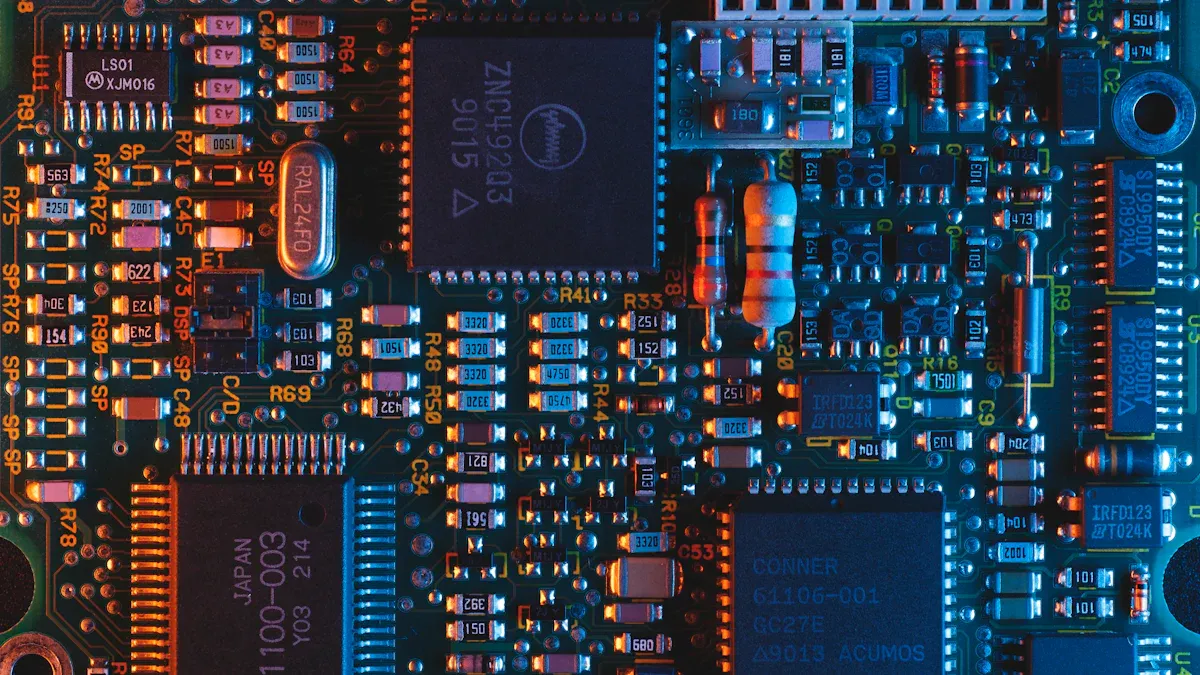
Microcontroller units (MCUs) have a specific architecture that allows them to function effectively. This architecture includes several core components that work together seamlessly.
Core Components
The main architectural elements of MCUs include:
Central Processing Unit (CPU): The brain of the microcontroller, executing instructions and managing data flow.
Memory: Essential for storing both program code and temporary data during execution. It includes both RAM and flash memory.
Input/Output (I/O) Ports: These ports enable communication with external devices, handling inputs and outputs.
The CPU plays a crucial role in executing instructions and coordinating activities with peripherals. Memory stores program code and data, while I/O ports facilitate data transfer and control. This combination allows MCUs to perform complex tasks efficiently.
Memory Types
MCUs use different types of memory, each serving a unique purpose. Here are the common types:
Flash Memory: This non-volatile memory stores firmware and applications. Larger capacities allow for more complex programs. For instance, the ESP32 can have between 4 MB to 16 MB of flash memory, enabling it to handle advanced applications compared to the Arduino Uno, which has only 32 KB.
RAM (Random Access Memory): This volatile memory temporarily holds data that the CPU uses during execution. The ESP32 features up to 520 KB of RAM, making it suitable for complex tasks and extensive data storage needs.
The type and amount of memory in an MCU significantly impact its performance. More flash memory allows for larger programs, while increased RAM capacity supports more data processing. Understanding these components helps you appreciate how MCUs operate in various applications.
Applications in the MCU Electronics Industry
Consumer Electronics
Microcontroller units (MCUs) play a vital role in consumer electronics. They enable devices to perform complex tasks while remaining compact and energy-efficient. The MCU market in this sector was valued at USD 32.82 billion in 2023 and is projected to reach USD 72.31 billion by 2032. This growth reflects the increasing demand for connected devices and automation in everyday life.
Here are some common consumer electronic devices that frequently incorporate MCUs:
Device Type |
|---|
Smartphones |
Smartwatches |
Gaming Consoles |
Home Appliances |
MCUs simplify design and enhance reliability in these devices. They allow manufacturers to integrate multiple functions into a single chip, reducing the overall size and cost of products. This integration leads to more reliable devices, as fewer components mean fewer points of failure.
Industrial Automation
In industrial automation, MCUs are essential for controlling devices like assembly lines and conveyor belts. They automatically adjust operations based on sensor data, significantly improving production efficiency and product quality.
The reliability of MCUs in harsh environments is crucial. Here are some ways they enhance reliability:
Improved stability and power supply regulation.
Noise immunity protects against electromagnetic interference (EMI) and electrostatic discharge (ESD).
Environmental resilience allows operation under extreme temperatures, vibrations, and corrosive atmospheres.
Proper voltage regulation prevents erratic behavior during power supply fluctuations.
These features make MCUs indispensable in modern industrial settings, where efficiency and reliability are paramount.
Automotive Systems
MCUs contribute significantly to automotive systems, managing various functions within vehicles. They facilitate real-time decision-making, optimizing fuel efficiency and enhancing overall vehicle performance. Here are some key roles they play:
Safety Features: MCUs ensure the proper functioning of safety systems like electronic stability control, traction control, and automatic braking. These systems maintain vehicle stability and prevent accidents.
Powertrain Applications: They minimize vehicle emissions and improve engine efficiency, aligning with regulations aimed at lowering CO2 emissions.
Real-time Monitoring: MCUs manage supplemental restraint systems, such as airbags, which are vital for occupant safety.
By integrating these functions, MCUs enhance both safety and efficiency in automotive electronics.
Medical Devices
MCUs are crucial in medical devices, providing precise measurements and real-time processing capabilities. They are essential for patient monitoring and diagnostics. Here are some common applications of MCUs in this field:
Instruments for measuring heart rate and blood oxygen levels.
Electrocardiogram (ECG) signal capture.
Patient monitoring systems (ECG, heart rate, oxygen sensors).
Thermometers and infant incubators.
Anesthesia machines and ventilators.
MCUs enhance reliability and functionality in medical device design. They ensure accurate measurements, which directly impact patient safety and treatment efficacy. The demand for high-precision remote monitoring has increased due to the expansion of telemedicine, requiring MCUs to maintain measurement accuracy across wireless protocols.
By understanding these applications, you can appreciate how the MCU electronics industry shapes various sectors, making devices smarter and more efficient.
Choosing the Right MCU
Selecting the right microcontroller unit (MCU) for your project can significantly impact its success. You should consider several key factors to ensure you choose an MCU that meets your specific needs.
Key Factors
When evaluating an MCU, keep the following factors in mind:
Factor | Description |
|---|---|
Hardware architecture | Influences size and performance; various packaging types affect cost and efficiency. |
Processing power | Determines if single-core or multi-core is needed based on application requirements. |
Memory | Amount of RAM and ROM required depends on the complexity of the programs being run. |
Hardware interface | Necessary interfaces (USB, Wi-Fi, etc.) depend on the specific application needs. |
Software architecture | Compatibility with operating systems affects scalability and interoperability. |
Cost | Price range varies; important to consider for scaling and performance trade-offs. |
Power efficiency | Balance between processing power and energy consumption is crucial, especially for battery-operated devices. |
Temperature tolerance | Must withstand environmental conditions; trade-offs exist between tolerance and cost. |
Security | Increasing threats necessitate robust security features in microcontrollers, especially for IoT devices. |
These factors help you narrow down your options and find an MCU that aligns with your project goals.
Cost vs. Performance
Balancing cost and performance is essential when selecting an MCU. Higher performance often comes with a higher price tag. You need to assess your project's requirements and budget. For example, if you are developing a simple device, a lower-cost MCU may suffice. However, for complex applications, investing in a more powerful MCU can enhance functionality and efficiency.
Consider the following aspects when weighing cost against performance:
Initial Investment: High-performance MCUs may require a larger upfront investment. However, they can lead to better long-term efficiency.
Development Time: More advanced MCUs might shorten development time due to their capabilities, allowing quicker market entry.
Total Cost of Ownership: Evaluate the total cost over the product's lifecycle. Sometimes, a higher initial cost can lead to lower operational costs.
By carefully considering these factors, you can make an informed decision that balances performance and cost effectively.
Microcontroller units (MCUs) play a vital role in modern electronics. They emerged in the 1970s, revolutionizing device design by integrating multiple components into a single chip. This innovation promotes miniaturization and allows for software modifications, reducing costs and development time.
You can find MCUs in various applications, including:
Household appliances like microwaves and washing machines.
Automotive systems managing engine functions and safety features.
Consumer electronics such as TVs and remote-controlled devices.
As technology advances, the demand for low-power MCUs continues to rise, especially in IoT devices. Their ability to learn and adapt through artificial intelligence enhances their functionality. Explore the world of MCUs to discover how they can transform your projects and everyday life!
FAQ
What is the difference between an MCU and a microprocessor?
MCUs integrate a processor, memory, and peripherals on a single chip. Microprocessors focus mainly on processing power and require external components for memory and I/O functions.
Can I program an MCU without prior experience?
Yes! Many resources and tutorials are available online. Start with simple projects and gradually build your skills as you learn about programming languages like C or Python.
What are common programming languages for MCUs?
Common languages include C, C++, and assembly language. These languages allow you to write efficient code that the MCU can execute effectively.
How do I choose the right MCU for my project?
Consider factors like processing power, memory size, and required interfaces. Assess your project's complexity and budget to find the best fit.
Are MCUs energy-efficient?
Yes! MCUs are designed for low power consumption, making them ideal for battery-operated devices. Their efficiency helps extend battery life in applications like IoT devices.
See Also
Exploring MCU Microcontrollers: Functionality and Operation Explained
Real-Time Microcontroller ICs: Understanding Their Functionality
The Importance of Integrated Circuits in Today's Electronics
High-Performance Microcontroller ICs: Key Features and Benefits
Microcontrollers and Flash Memory: Essential Concepts Explained