Understanding Electronic Engineering and Its Impact on Technology
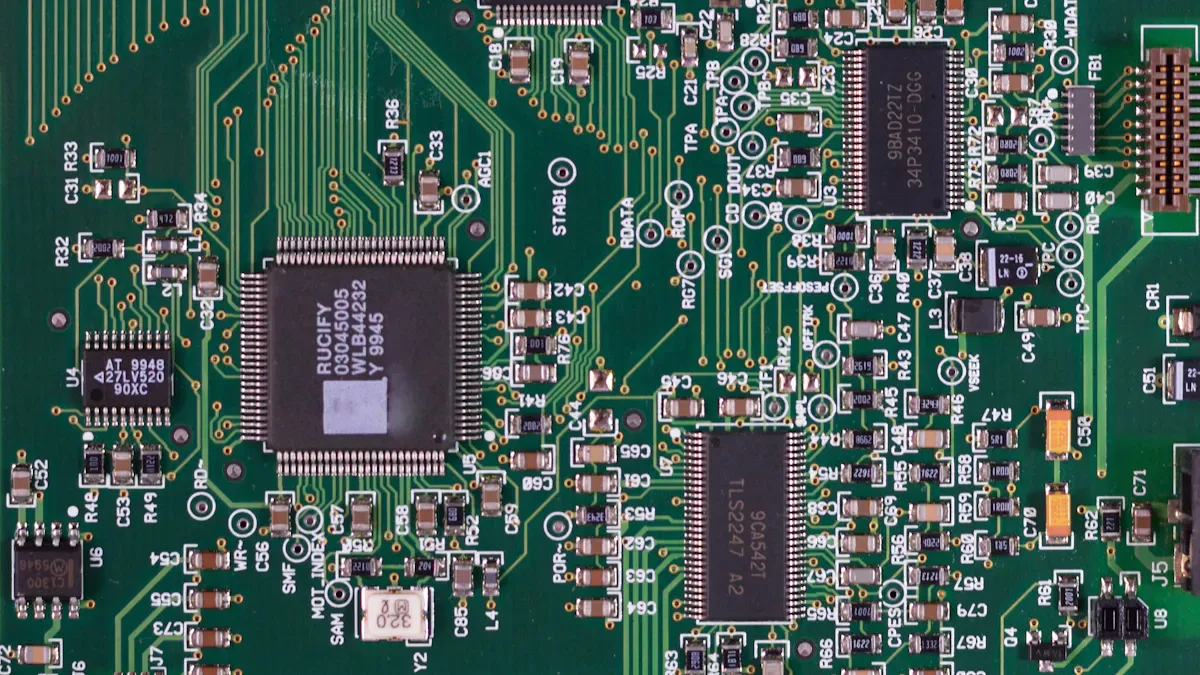
Electronic engineering is a branch of electrical engineering that focuses on the design and development of electronic devices and systems. This field plays a crucial role in modern society by enabling advancements in various technologies. Understanding electronic engineering helps you appreciate how innovations, such as smartwatches and electric vehicles, enhance your daily life.
In the past decade, electronic engineering has led to remarkable advancements:
Wireless technology has improved wearables, making them smaller and longer-lasting.
Electric vehicles are predicted to see significant growth by 2030 due to increased technological investment in electronic engineering.
Key Takeaways
Electronic engineering is essential for designing devices that improve daily life, from smartphones to medical equipment.
Career opportunities in electronic engineering are growing, with a projected 6% increase in employment from 2024 to 2034.
Innovations in electronic engineering, like electric vehicles and wearable technology, are transforming industries and enhancing user experiences.
Understanding electronic engineering helps you appreciate the technology that connects and improves our lives, from communication systems to renewable energy.
Future trends in electronic engineering, such as smart grids and the Internet of Things, promise to drive further advancements and sustainability.
Definition of Electronic Engineering
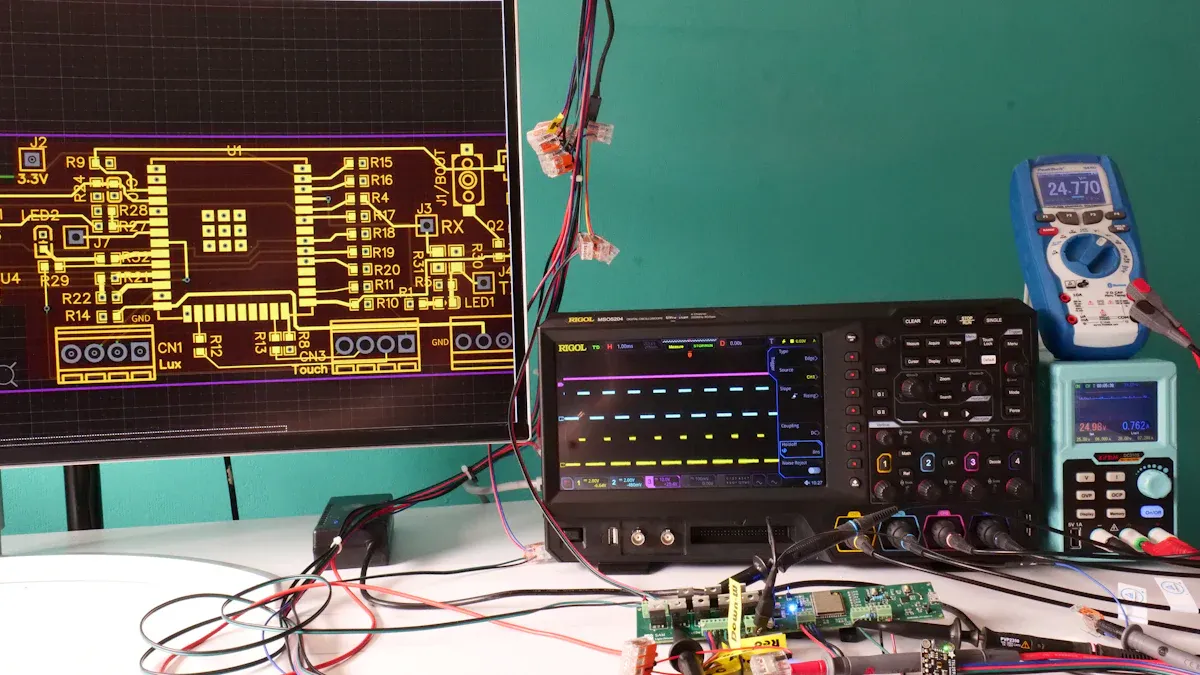
Key Principles
Electronic engineering is a vital sub-discipline of electrical engineering. It emphasizes the study and application of electrical and electronic circuits, components, and devices. This field focuses on processing and transmitting information through various technologies. You can think of electronic engineering as the backbone of many modern devices, from smartphones to medical equipment.
In electronic engineering, you will find a strong emphasis on the design and development of electronic products. This discipline involves creating systems that improve how we communicate, compute, and interact with technology. Here are some key responsibilities of electronic engineers:
Design and Development: They create electronic circuits and systems that power devices.
Embedded Systems: Engineers work on dedicated computing devices that perform specific tasks.
Analog and Digital Systems: They specialize in different types of signals to ensure proper functionality.
Microelectronics: This involves designing tiny components and circuits that fit into compact devices.
Communication Systems: Engineers optimize devices for efficient information transmission.
Power Electronics: They manage the conversion of electrical power for various applications.
Testing and Troubleshooting: Ensuring systems meet industry standards is crucial.
Research and Innovation: Exploring new technologies keeps the field advancing.
Project Management: Overseeing project execution ensures timely delivery and quality.
Unlike electrical engineering, which focuses on generating and distributing power, electronic engineering hones in on the design and maintenance of electronic equipment. For example, while an electrical engineer manages the transmission of data signals, an electronics engineer assembles smartphone components. This distinction highlights the specialized nature of electronic engineering.
As you explore this field, you will discover that electronic engineering plays a significant role in shaping the future of technology. The skills you develop can lead to various career paths, including roles as an electronics engineer, design engineer, or project manager.
Remember, the demand for electronic engineers continues to grow. According to projections, the employment rate for electronics engineers is expected to rise by 6% from 2024 to 2034, which is higher than the average for all occupations.
Disciplines in Electronic Engineering
Communication Systems
Communication systems play a vital role in connecting people and devices. They enable the transfer of information over distances, making instant communication possible. You can find these systems in smartphones, satellite communications, and the internet. The advancements in this field have led to global connectivity, allowing you to collaborate remotely and access information from anywhere. For instance, telecommunications engineering focuses on data transfer through various channels, such as coaxial cables and optical fibers. This discipline significantly impacts economic growth, projecting revenues of around $1.5 trillion by 2025.
Control Systems
Control systems are essential for automation and regulation in various industries. They help manage processes by using feedback to maintain desired outputs. For example, in aviation, control systems ensure that aircraft operate safely and efficiently. Key technologies in this discipline include controllers, which regulate system behavior, and Programmable Logic Controllers (PLCs), which automate processes. These systems enhance productivity and safety in sectors like manufacturing and transportation.
Embedded Systems
Embedded systems are specialized computing systems that perform dedicated functions within larger systems. You encounter them in everyday devices, such as microwaves, washing machines, and smart home gadgets. These systems improve functionality and efficiency. For instance, wearable health monitoring devices, like fitness trackers, rely on embedded systems to provide real-time health data. This technology enhances your daily life by making devices smarter and more responsive to your needs.
Applications of Electronic Engineering
Consumer Electronics
You encounter consumer electronics daily, from smartphones to televisions. Electronic engineering plays a crucial role in developing these devices. This field enables the creation of various products that enhance your entertainment and communication experiences. Here are some common applications:
Entertainment: Flatscreen TVs, MP3 players, and video recorders bring you movies and music.
Communications: Mobile phones, desktop computers, and printers keep you connected with friends and family.
Recreation: Digital cameras, video game consoles, and robot kits provide fun and creativity.
These innovations shape how you interact with technology. They make your life more enjoyable and connected.
Medical Devices
Electronic engineering significantly improves medical devices, enhancing their functionality and accessibility. Engineers design devices that help doctors diagnose and treat patients effectively. Some advancements include:
Portable Medical Ventilators: These devices are user-friendly and can be used in various settings.
Prosthetic Limbs: Engineers create prosthetics that enhance mobility and functionality for users.
Wearable Health Monitors: These devices track your health continuously, providing valuable data.
Innovative Dialysis Machines: New designs improve accessibility and ease of use for patients.
These advancements lead to better patient outcomes and make healthcare more efficient. You can see how electronic engineering directly impacts your health and well-being.
Renewable Energy Systems
Electronic engineering also plays a vital role in developing renewable energy systems. As the world shifts towards sustainable energy, engineers work on innovative solutions. Here are some key contributions:
Advanced Renewable Integration: This approach addresses challenges like network inadequacy by incorporating renewable energy sources.
Energy Storage Solutions: Engineers focus on improving storage methods to make renewable energy more reliable.
Educational Programs: Many universities update their electrical and electronics programs to include renewable energy courses, reflecting the industry's growth.
These efforts help create a cleaner and more sustainable future. You benefit from these advancements through cleaner air and reduced energy costs.
Impact of Electronic Engineering on Technology

Innovations and Advancements
Electronic engineering has driven numerous innovations that transform our daily lives. Here are some significant advancements:
Medical Technology: Innovations in robotic surgery and virtual/augmented reality enhance surgical precision and training.
Consumer Electronics: Advances in wearable devices improve health monitoring and workplace safety.
Electric Vehicles: Significant improvements in battery technology and autonomous driving capabilities are transforming the automotive industry.
These innovations not only improve functionality but also enhance user experiences. For instance, ergonomic designs like touchscreens and voice controls make devices more intuitive. Miniaturization leads to compact devices, such as foldable smartphones and wireless earbuds, which fit seamlessly into your lifestyle.
Future Trends
Looking ahead, electronic engineering will continue to evolve and shape technology. Here are some projected trends for the next five to ten years:
Electric Vehicles: Projections indicate they will comprise 40% of new vehicle sales by 2030.
Wearable Technology: This market is expected to reach $184 billion by 2031, covering health and fitness devices, smartwatches, and smart clothing.
Smart Grids: These systems can significantly reduce energy consumption and are supported by federal investments.
Internet of Things (IoT): The IoT market is projected to grow from $478 billion in 2022 to $2.5 trillion by 2029.
Emerging technologies like artificial intelligence (AI) and machine learning (ML) will further enhance efficiency in various sectors. They will help optimize energy management and improve the quality of life through advanced applications. As you can see, the future of electronic engineering holds great promise for innovation and sustainability.
Electronic engineering plays a vital role in shaping modern technology. This field drives progress across sectors like telecommunications, automotive, consumer electronics, and medical devices. You benefit from the innovations that electronic engineers create, as they design the systems that form the backbone of our daily lives.
As you explore further into electronic engineering, you will discover its potential for future innovations. Consider how advancements like implantable medical devices and robotic-assisted surgery enhance healthcare. These developments promise to improve efficiency and connectivity across industries. Embrace the opportunity to learn more about this exciting field and its impact on our world!
FAQ
What is electronic engineering?
Electronic engineering focuses on designing and developing electronic devices and systems. It combines principles of electrical engineering with technology to create products like smartphones, medical devices, and renewable energy systems.
What are some career options in electronic engineering?
You can pursue various careers in electronic engineering, including roles as an electronics engineer, design engineer, project manager, or research and development engineer. Each role contributes to advancing technology.
How does electronic engineering impact daily life?
Electronic engineering impacts your daily life through innovations in consumer electronics, medical devices, and renewable energy systems. These advancements improve communication, healthcare, and sustainability.
What skills do you need for a career in electronic engineering?
Key skills for electronic engineering include problem-solving, analytical thinking, programming, and knowledge of circuit design. Strong communication skills also help you collaborate effectively with teams.
What are the future trends in electronic engineering?
Future trends include advancements in electric vehicles, wearable technology, smart grids, and the Internet of Things (IoT). These innovations promise to enhance efficiency and connectivity in various sectors.
See Also
Exploring The Fundamentals Of Digital Integrated Circuits
The Importance Of Integrated Circuits In Today's Electronics
Basics Of Analog Integrated Circuit Design And Uses