Understanding Consumer Electronics in 2026
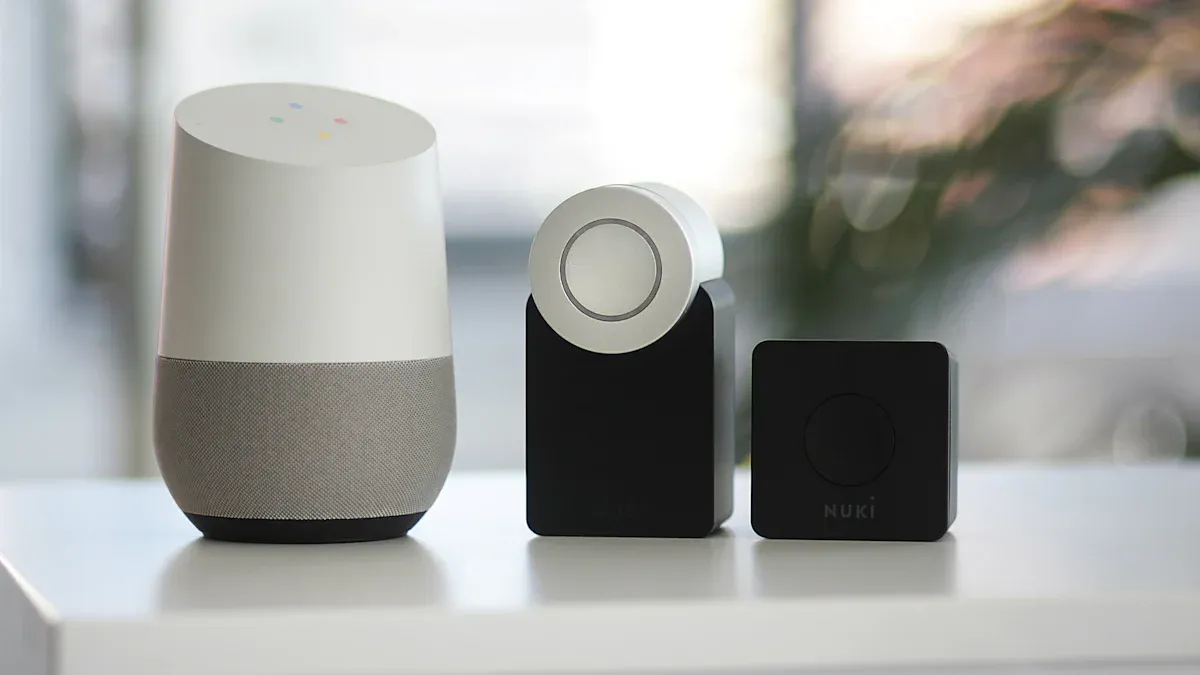
Consumer electronics refer to the devices you use daily for communication, entertainment, and productivity. In 2026, the global consumer electronics market size is expected to reach USD 1,108.1 billion. This growth reflects your increasing reliance on technology. Over the past decade, these devices have transformed your daily life by:
Revolutionizing communication, enabling instant connectivity.
Reshaping entertainment access with on-demand movies and music.
Enhancing productivity through remote work capabilities.
Improving home comfort and security with smart devices.
Promoting health awareness via wearables and tracking apps.
Such advancements highlight how integral consumer electronics have become in your life.
Key Takeaways
Consumer electronics are essential for daily communication, entertainment, and productivity.
Smart devices and wearables enhance your life by providing convenience and health tracking.
Sustainability is a growing focus in the industry, with many brands adopting eco-friendly practices.
AI technology personalizes your experience, making devices smarter and more intuitive.
Stay informed about trends like smart home ecosystems and voice-activated devices to enhance your tech experience.
Consumer Electronics Defined
Consumer electronics encompass a wide range of devices that you use in your daily life. These devices play a significant role in enhancing your communication, entertainment, and productivity. Understanding the key categories of consumer electronics helps you appreciate their impact on your lifestyle.
Key Categories
Consumer electronics include various devices that serve different purposes. Here are some common categories:
Entertainment Devices: TVs, set-top boxes, and monitors allow you to enjoy movies, shows, and games.
Home Appliances: Washing machines, tumble dryers, and refrigerators make household chores easier and more efficient.
Kitchen Gadgets: Blenders, air fryers, food processors, and coffee makers help you prepare meals quickly.
Computing Devices: Computers, laptops, and tablets are essential for work, study, and leisure.
These categories highlight the diversity of consumer electronics and their relevance in your everyday activities.
Everyday Uses
You interact with consumer electronics daily, often without even realizing it. Here are some ways these devices enhance your life:
Communication: Smartphones and tablets keep you connected with friends and family through calls, texts, and social media.
Entertainment: Streaming services on smart TVs and devices provide endless options for movies, music, and games.
Home Management: Smart home devices, like thermostats and security cameras, help you monitor and control your living environment.
Health Tracking: Wearable technology, such as fitness trackers and smartwatches, allows you to monitor your health and fitness goals.
Despite their benefits, some challenges arise when adopting new consumer electronics. Research shows that older generations may struggle with technology, while younger users adapt more easily. A study by Czaja et al. (2006) found that older adults are slower to adopt new technologies but will do so if they perceive them as useful.
Study | Findings |
|---|---|
Riskinanto et al. (2017) | The older generation may find technology difficult to utilize, while younger generations embrace it with ease. |
Liébana-Cabanillas et al. (2015) | Age moderates the adoption of new mobile payment methods. |
Yousafzai and Yani-de-Soriano (2012) | Higher innovation resistance among mature consumers compared to younger ones. |
Czaja et al. (2006) | Older adults are slower to adopt new technologies but will do so if perceived as useful. |
Wagner et al. (2017) | Lack of computer literacy is a main cause for older users' disinterest in technology adoption. |
Passyn et al. (2011) | Older adults prefer conventional selling methods due to perceived hurdles and technical issues. |
Agwu and Murray (2014) | Younger generation has fewer inhibitions in accepting electronic marketplaces. |
Grandon & Pearson (2004); MacGregor et al. (2010) | Difficulties attributed to lack of awareness, technical resources, security concerns, and financial constraints. |
Understanding these challenges can help you navigate the world of consumer electronics more effectively.
Evolution of Consumer Electronics

The evolution of consumer electronics has been remarkable. It reflects how technology has changed over time and how it continues to shape your daily life. Understanding this evolution helps you appreciate the devices you use today.
Historical Milestones
Consumer electronics have a rich history. Here are some key milestones that mark significant developments:
1843: Alexander Bain develops the concept of displaying images as points with different brightness values.
1848: Frederick Collier Bakewell invents the first wirephoto machine, an early fax machine.
1861: Philipp Reis presents his telephone, inventing the loudspeaker.
1867: Charles Cros presents the construction principle of a phonograph.
These early inventions laid the groundwork for the consumer electronics we rely on today. Each milestone contributed to the development of devices that enhance communication, entertainment, and productivity.
Technological Advancements
As technology advanced, consumer electronics evolved rapidly. Here are some of the most significant technological advancements that shaped the industry:
AI Advancements: AI technologies enhance user experiences by learning from behaviors and automating tasks.
Smart Home Technology: Devices are interconnected, allowing for seamless control and energy efficiency.
Flexible Displays: Innovations in display technology change device usability and design.
5G Connectivity: This technology enables faster data transmission and enhances smart device integration.
The introduction of smartphones marked a turning point in consumer electronics. The launch of the first iPhone in 2007 changed how you interact with technology. It allowed you to shop online, access information quickly, and transformed the music industry from physical sales to digital platforms like iTunes. This shift changed how you access and purchase music, marking the beginning of a new digital era.
Consumer preferences also play a crucial role in the evolution of consumer electronics. Brands now focus on sustainability, repairability, and recycling. A recent survey shows that 73% of global consumers are willing to change their habits to reduce environmental impact. This demand drives manufacturers to create eco-friendly products that meet your needs.
Current Trends in Consumer Electronics
Smart Devices
Smart devices are becoming a central part of your daily life. The rise of the Internet of Things (IoT) connects various devices, enhancing your experience. Here are some key trends in smart device adoption:
Rise of Voice-Activated Devices: You can now control many devices with your voice. This hands-free interaction makes life easier and more convenient.
Data-Driven Personalization: Brands use data analytics to create personalized experiences. This approach helps you feel more engaged with the products you use.
Integration of AI in Consumer Electronics: Smart devices learn your preferences. For example, smart thermostats adjust settings based on your behavior, making your home more comfortable.
Growth of Smart Home Ecosystems: Interconnected devices allow you to manage your living environment seamlessly. You can control everything from lights to security systems from one platform.
Wearable Tech
Wearable technology is changing how you monitor your health and fitness. Devices like smartwatches and fitness trackers provide real-time data about your well-being.
AI-powered wearables like the Apple Watch, Oura Ring, and Fitbit transform personal health management by monitoring vital signs and providing real-time data. For example, the Apple Watch’s ECG feature allows users to take an electrocardiogram, potentially identifying heart issues before they escalate.
These devices not only track your physical activity but also help you set and achieve health goals. As technology advances, you can expect even more features that enhance your health monitoring experience.
Future of Consumer Electronics

Sustainability Efforts
As you look toward the future, sustainability becomes a key focus in the consumer electronics industry. Major manufacturers are adopting eco-friendly practices to meet your demand for responsible consumption. Here are some initiatives shaping this trend:
Initiative | Description |
|---|---|
Eco-Friendly Practices | Companies like Apple commit to carbon neutrality and use recycled materials in their products. |
Circular Economy | Brands focus on creating devices that are easier to repair and recycle, promoting longevity. |
Consumer Demand | A recent survey shows that 73% of global consumers are willing to change habits for sustainable electronics. |
These efforts reflect a growing awareness of environmental impacts and a commitment to reducing electronic waste.
Emerging Technologies
The future of consumer electronics also promises exciting technological advancements. By 2030, you can expect to see several emerging technologies dominate the market:
AI as a Driving Force for everything
Stepping Into New Realities with AR and VR
Flex Your Screens with Foldable and Flexible Displays
Smart Homes: Your House, Your Rules
5G: Speeding Into the Future
Going Green: The Rise of Sustainable Electronics
Talk to Me: The Rise of Voice-Activated Devices
Data-Driven Connections for Personalization
Artificial intelligence will play a crucial role in enhancing your experience with consumer electronics. AI-powered devices learn from your behaviors and automate tasks for seamless interactions. For instance, voice-activated assistants like Alexa and Google Assistant will facilitate control of smart home devices through simple voice commands.
As you embrace these innovations, expect a more personalized and efficient interaction with technology. The integration of AI will not only enhance your daily life but also drive the industry toward a more sustainable future.
Consumer electronics shape your daily life in many ways. They enhance communication, entertainment, and productivity. As you embrace smart devices and wearable technology, you also witness the industry's shift toward sustainability.
Stay informed about ongoing developments in this dynamic field. The future promises exciting innovations that will further transform how you interact with technology.
Your engagement with these advancements will help you navigate the evolving landscape of consumer electronics.
FAQ
What are consumer electronics?
Consumer electronics are devices you use daily for communication, entertainment, and productivity. They include smartphones, TVs, laptops, and smart home devices.
How do smart devices improve daily life?
Smart devices connect to the Internet, allowing you to control them remotely. They enhance convenience, save energy, and provide personalized experiences.
What role does AI play in consumer electronics?
AI enhances user experiences by learning your preferences. It automates tasks and improves device functionality, making technology more intuitive and user-friendly.
Why is sustainability important in consumer electronics?
Sustainability reduces electronic waste and environmental impact. Manufacturers focus on eco-friendly practices to meet your demand for responsible consumption.
What trends should I watch in consumer electronics?
Key trends include the rise of smart devices, wearable technology, and advancements in AI. These innovations will shape how you interact with technology in the future.
See Also
Key Developments Influencing the Analog IC Sector by 2025
Breakthroughs Fueling Local Memory Chip Production in 2025
New Developments in Automotive-Grade Semiconductor Technologies
Best 10 Microcontrollers for Embedded Applications in 2025
Comprehending Electronic Digital Integrated Circuit Fundamentals