Types of power supplies for LED bulbs
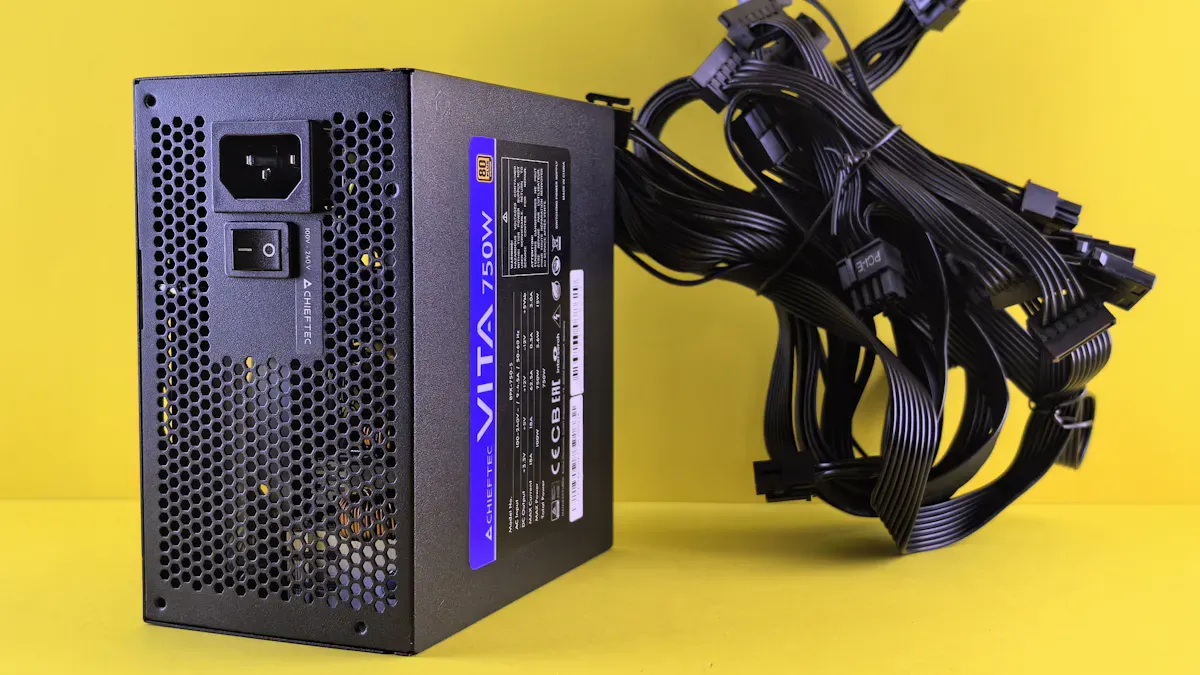
Power supplies are very important for how well LED bulbs work and how long they last. You might not know that about 20% of LED bulb problems come from bad types of power supplies. These problems can cause bulbs to overheat and raise your electricity bills. Good types of power supplies give steady voltage, which helps LED bulbs last longer. On the other hand, cheap types of power supplies can create harmful voltage changes. Picking the right power supply can really improve how well your LED lights work and how long they last.
Power Supply Overview
Functionality
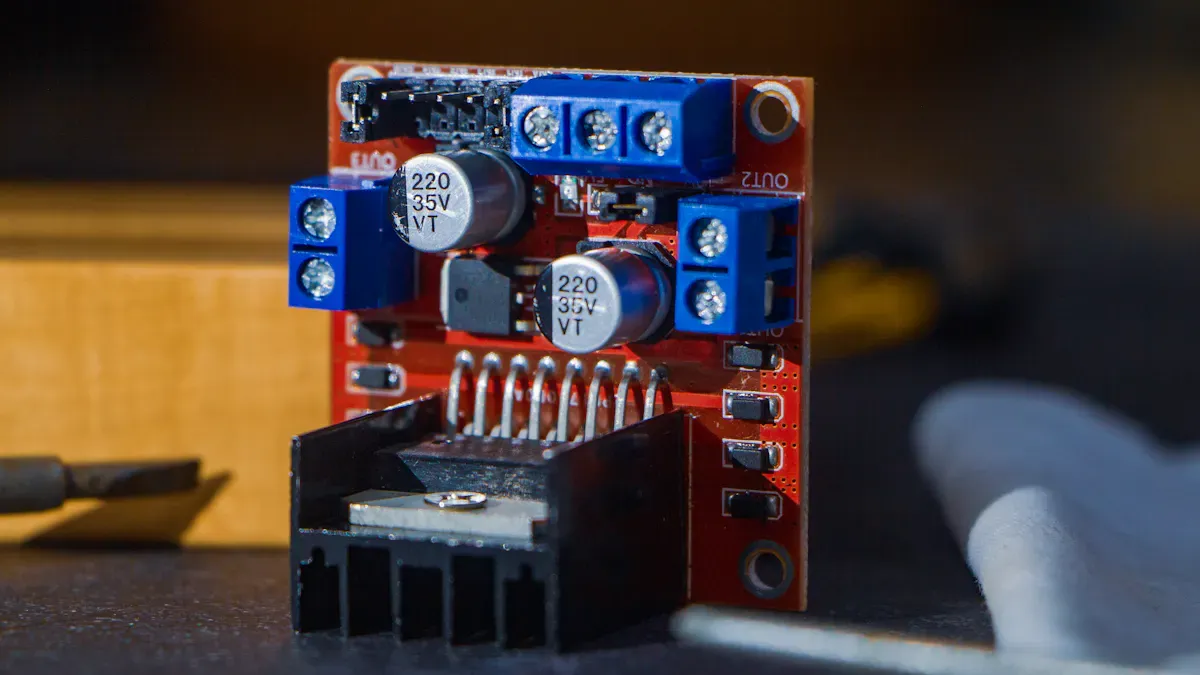
A LED power supply is very important for your LED bulbs to work right. It changes the high-voltage alternating current (AC) from the wall into low-voltage direct current (DC) that LEDs need. Without this change, LED bulbs cannot work safely or well.
Here is a simple table that shows what a LED power supply does:
Function | Description |
|---|---|
Voltage Conversion | Changes high-voltage AC power to low-voltage DC power that LEDs can use. |
Current Regulation | Keeps the current steady to stop damage and flickering in LEDs. |
Power Efficiency | Cuts down energy loss when changing power to save electricity. |
Safety Features | Protects from short circuits, overloads, and overheating to keep things safe. |
Many LED power supplies also have features like dimming control and color changing. They protect against power surges and control heat to help LED bulbs last longer.
Importance in LED Applications
You need the right power supply for LED lights because LEDs need exact voltage and current to work well. Unlike regular bulbs, LEDs are sensitive to power changes. If voltage or current changes, LED bulbs might flicker, get damaged, or stop working early.
A special LED power supply gives your LEDs a steady current. This steady flow stops brightness changes and protects bulbs from too much current or short circuits. Using the right power supply also saves energy and cuts waste.
Types of Power Supplies
Constant Current
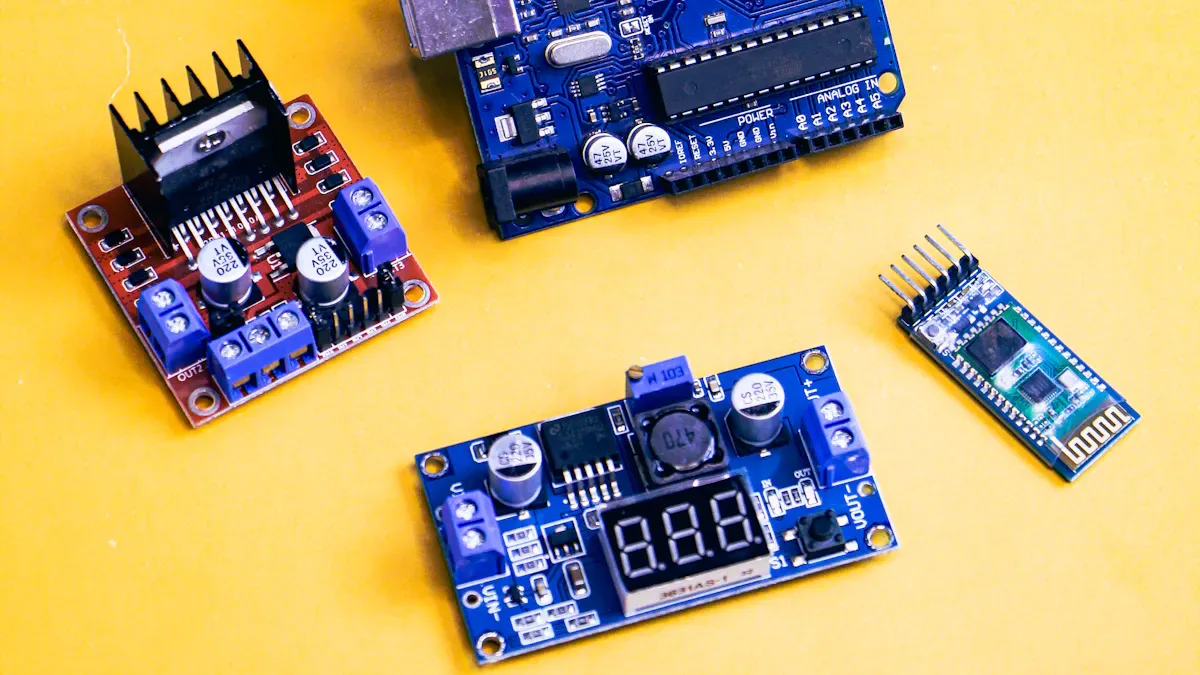
A constant current driver is very important for LED lights. It controls the current that goes through the LED array. This helps keep the light output steady without overloading the LEDs. This control is key for how long your bulbs last and how well they work. The constant current driver gives a fixed current and changes the voltage when needed. This change stops problems like flickering and early burnout. It makes sure the LEDs work safely within their electrical limits.
You will often see constant current drivers in high-powered LED uses. They are great for:
High-power LED lights: These need a fixed current to work best.
Industrial lighting: Good for big places like factories and warehouses.
Streetlights: They keep brightness steady even with weather changes.
Commercial lighting: Great for places needing steady light, like malls and offices.
By keeping a constant current, these drivers help LEDs work safely and steadily. This is very important for their performance and how long they last.
Constant Voltage
On the other hand, constant voltage power supplies keep a steady voltage level no matter how the current changes. This helps your LEDs work at their best by managing both voltage and current. Common output voltages for these drivers are 12 VDC and 24 VDC, which are needed for certain LED tasks.
Constant voltage drivers change regular line voltage (120-277VAC) to a low direct current voltage (VDC). They are made for single direct current output, which is important for LED lights to work right. You will often find these drivers in uses like:
LED strip lights: These need a steady voltage for even brightness along the strip.
Sign modules: They need stable voltage to stay clear and visible.
Constant voltage power supplies are popular because they are familiar and can be cheaper for big projects. They let you connect many LED modules together, making them a flexible choice for different lighting jobs.
Advantages and Disadvantages
Constant Current Pros and Cons
Constant current power supplies have many benefits. They are great for certain LED uses. Here are some important advantages:
Consistent Light Output: These drivers keep brightness even. This stops flickering and makes lighting nice.
Improved LED Lifespan: They work within safe limits. This helps prevent overheating and early LED failure.
Better Efficiency: They deliver power well, which cuts energy waste. This means lower electricity bills and less harm to the environment.
Enhanced Safety: Constant current drivers reduce electrical problems. They help avoid thermal runaway, which happens when heat increases and draws too much current.
With a constant current source, the driver keeps the current steady. This happens even if the voltage changes with temperature. It stops overdriving the LED and prevents thermal runaway.
But constant current power supplies also have some downsides:
Higher Cost: They usually cost more than constant voltage drivers. This is because they have a more complex design.
Complex Installation: You need to match these drivers to specific LEDs. This is important for them to work well together.
Single Point of Failure: If one LED fails in a series, it can make the whole string go out. This can be annoying when reliability is very important.
Constant Voltage Pros and Cons
Constant voltage power supplies have their own pros and cons. Here’s what you need to know:
Advantages:
Simplicity: Constant voltage drivers are easy to install and use. They keep a fixed voltage, which works for many uses.
Cost-Effective: These drivers are often cheaper than constant current ones. This is especially true for big projects with many LEDs.
Flexibility: You can connect many LED modules without worrying about matching current. This makes them a good choice for different lighting jobs.
Disadvantages:
Variable Current: Unlike constant current drivers, these do not control current as well. This can affect efficiency and light quality in some cases.
Potential for Overcurrent: If the total current is too high, it can cause overheating. This can damage the LEDs.
Less Ideal for High-Power Applications: For high-power LEDs, constant voltage drivers might not give enough control. This can risk thermal runaway.
Choosing the Right Power Supply
Assessing Requirements
When picking a power supply for your LED bulbs, think about a few things. First, make sure the power supply's output voltage matches what your LED bulbs need. For example, if your LEDs need 3.1V and you have six of them in a row, you need a power supply that gives at least 18.6V. It’s smart to choose a power supply with a higher voltage, like 24VDC, to be safe.
Next, figure out the total wattage of your LED load. Having the right wattage helps prevent overheating and makes your bulbs last longer. Try to get a power supply that has at least 20% more wattage than you need. If the wattage is too low, your LEDs might dim or flicker. If it’s too high, it can cause noise or even break the power supply.
Compatibility and Efficiency
Compatibility is very important when matching LED bulbs with power supplies. Here are some key points to remember:
Make sure the power supply’s output voltage fits your LED lights.
Calculate the total wattage of your LED load.
Add a 20% extra to the power supply size for best results.
Think about whether you need dimming for your setup.
Check for Class 2 compliance for safety.
Make sure the power supply’s IP rating is right for where you install it.
For indoor use, an IP20 rating is enough. But for outdoor use, look for an IP65 or higher rating to keep out moisture. Things like temperature and humidity can also change how well it works. High heat can cause parts to fail, while humidity can lead to rust.
Choosing the right power supply not only makes sure everything works together but also helps your LED lighting system work better. A good power supply uses less energy, which lowers costs and heat. This helps your LED bulbs last longer, so you can enjoy bright and reliable lighting for many years.
Choosing the right power supply for your LED bulbs is very important. It helps them work well and last longer. Keep these main points in mind:
Understand Your Needs: Find out if your LEDs need a constant current or constant voltage supply.
Efficiency Matters: Look for power supplies that are very efficient, ideally 80% or more, to save on energy bills.
Safety First: Make sure your power supply follows safety rules, like Class 2 compliance, to avoid dangers.
By making smart choices, you can improve your lighting and save energy. Your power supply choice affects how well your LED bulbs work and how long they last. 🌟
See Also
Integrating Schottky Barrier Rectifiers Into Your Circuit Designs
Unveiling Innovative Functions of Low Power Switcher ICs
Understanding Power Supply Chips and Their Operational Mechanisms