Memory prices see a significant drop in 2026
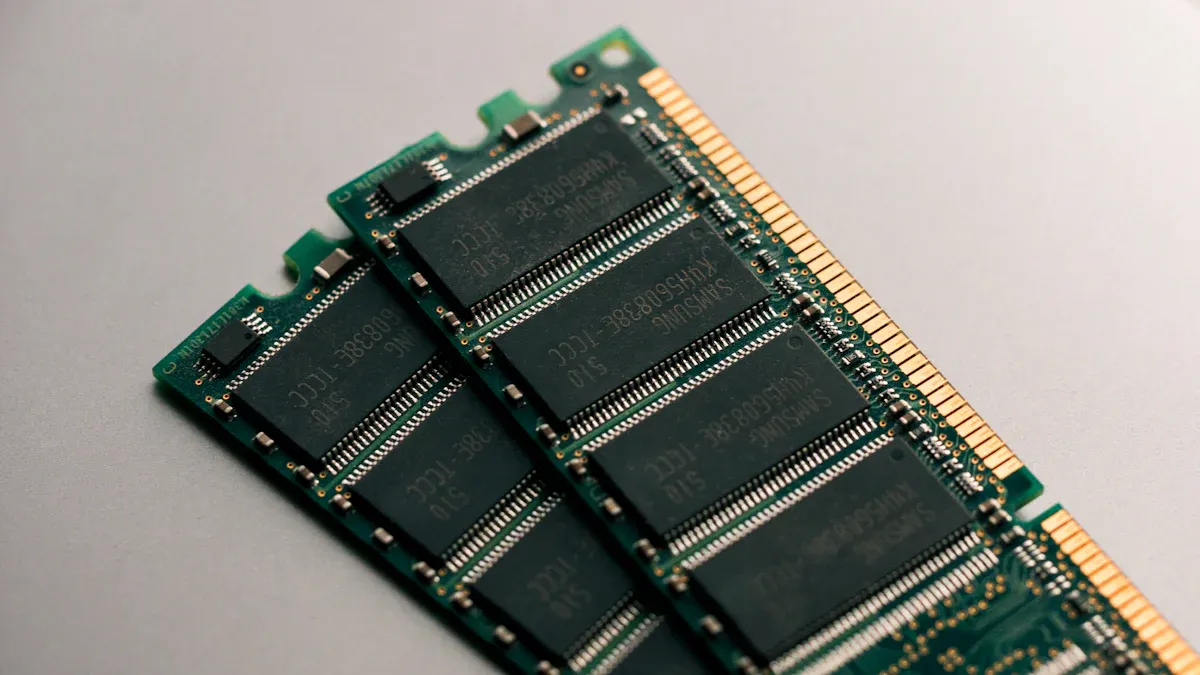
In 2026, memory prices will fall a lot. This change affects you and the whole tech world. Lower prices mean devices can cost less. But it also brings problems for makers. Why do prices drop? How will it change things for you? Knowing these reasons is important as you deal with this new situation.
Key Takeaways
Memory prices will go down in 2026. This is because production is increasing slowly. Demand is also changing towards AI and data centers.
Consumers can look forward to cheaper RAM options. They will also see better performance and more choices. However, some high-performance memory will still be costly.
Manufacturers have challenges like price changes and supply shortages. To handle costs and supply, they are making long-term contracts.
Current Memory Prices
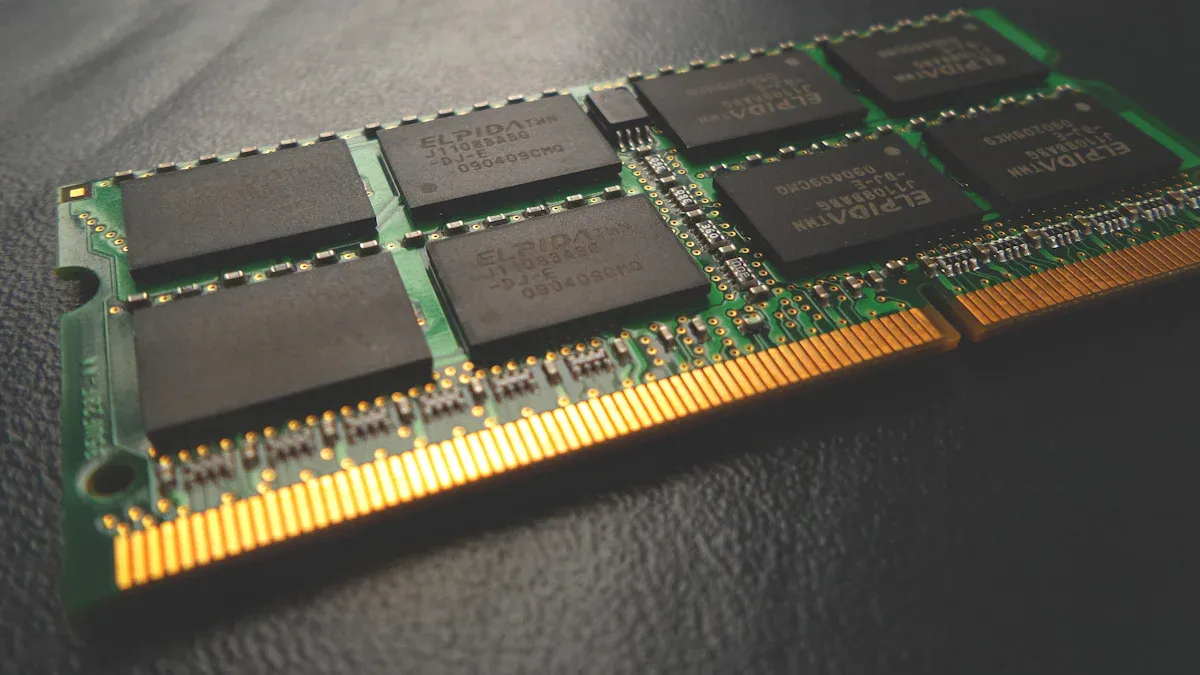
Recent DDR5 Price Trends
Lately, you might have seen big changes in DDR5 memory prices. In 2024 and 2025, DDR5 prices went up a lot because many people wanted them and there were not enough available. By the end of 2025, DRAM spot prices almost tripled from the year before. For example, a 32GB DDR5-6000 kit's price rose from under $95 in mid-2025 to about $184 by October 2025. This is a huge 94% increase. This trend shows bigger issues in the memory market, caused by low supply and high demand.
Market Comparisons and Data
The current DDR5 memory market is starting to stabilize. Recent reports show a small drop of 1.7% in the last week and 2.3% in the last month. Here’s a quick look at DDR5 prices:
Product Type | Previous Price | Current Price | Price Change |
|---|---|---|---|
Corsair VENGEANCE DDR5 32GB 6400 MHz | $490 | $379.99 | -$110.01 |
DDR5-5200 16GB Module | $260 | $219.99 | -$40.01 |
Even with these drops, DDR5 prices are still high compared to past averages. In 2026, you can expect a 480% increase for a 32GB DDR5 kit compared to prices in mid-2025. This shows a possible long-term change in the memory market, affected by the rising need for AI systems and not enough investment in making more products.
Factors Behind Price Drops

Supply and Demand Dynamics
Memory prices are dropping because of different supply and demand reasons. First, makers have slowly increased how much they produce. This careful method has caused a tight supply in 2026. So, you might see that memory parts are still hard to find.
Here are some important points about supply and demand:
The growth of AI is taking a big part of global memory supply. Big companies get priority on their orders, which means less DRAM for regular devices.
This change from consumer products to business-grade parts shows a smart shift in how silicon wafer capacity is used.
The higher need for valuable uses, like AI and data centers, has caused a shortage of memory parts.
In fact, the limited supply is likely to keep average sales prices from dropping a lot. This means super cheap memory prices probably won't come back soon.
Evidence Description | Key Points |
|---|---|
Memory Supply Constraints | Slow production increases from makers have led to a tight supply in 2026. |
Demand Shift | Higher demand for valuable uses like AI and data centers has caused a shortage of memory parts. |
Pricing Implications | The limited supply is likely to keep average sales prices from dropping a lot. |
Economic Influences
Global economic conditions also affect memory prices. In early 2026, memory prices jumped by 100% compared to the last quarter. This rise shows supply chain problems and higher demand from cloud companies. HP CFO Karen Parkhill says that ongoing memory shortages keep prices high. These price increases can delay projects and affect market stability.
The tight supply of memory chips makes companies think about canceling or delaying product launches. This situation shows how memory prices impact the tech industry and its ability to innovate.
Also, government rules and trade deals affect memory prices. For example, a 25% tax on some semiconductors likely raises the costs of imported memory products. This situation changes market prices. On the other hand, ongoing trade talks aim to boost the local semiconductor industry, which could stabilize or lower memory prices by improving local production.
Evidence Description | Impact on Memory Pricing |
|---|---|
A 25% tax on some semiconductors | Likely raises costs of imported memory products. |
Ongoing trade talks to boost local semiconductor industry | Could stabilize or lower memory prices. |
National security issues causing import changes | May cause supply chain problems, affecting memory pricing. |
Implications for Consumers and Manufacturers
Benefits for Consumers
The big drop in memory prices has many benefits for you as a consumer. First, you will find cheaper RAM options. Lower prices mean you can upgrade your devices without spending too much money. Here are some key benefits:
Increased Accessibility: With memory prices going down, you can find cheaper RAM options. This makes it easier to improve your devices without spending a lot.
Better Performance: As companies compete to offer the best memory deals, you might see better performance. Improved RAM can make your devices run faster and multitask more smoothly.
Wider Selection: The price drop encourages companies to make more types of memory products. You can choose from different brands and features that fit your needs.
However, it's important to remember that while some prices drop, the need for high-performance memory, especially for AI uses, has grown. In 2026, DRAM prices have gone up by 30% to 60% because of this high demand. For example, the price of 32 GB DDR5 modules increased from $149 to $239. This means that while some memory products get cheaper, others may still be expensive.
Manufacturer Challenges
While consumers gain from lower memory prices, manufacturers face big challenges. The change in pricing forces them to adapt quickly. Here are some main challenges they deal with:
Prioritizing AI Production: Many manufacturers are focusing on AI chips instead of regular DRAM and SSD production. This shift causes a RAM shortage, making it hard for you to find certain types of memory.
Price Volatility: DRAM prices are expected to rise by 90-95% from one quarter to the next in Q1 2026. This price change makes it hard for manufacturers to budget and plan.
Scaling Back Production: To meet the needs of AI data centers, manufacturers are reducing production of regular memory types. This affects the availability of affordable RAM for everyday users.
To handle these challenges, manufacturers are changing their business plans. They are securing long-term contracts and negotiating supply agreements early. This proactive approach helps them manage costs and keep a steady supply of memory products.
As the memory market changes, you can expect more updates. Analysts think that high memory prices will last until at least mid-2026. System manufacturers will likely make long-term contracts with memory suppliers to ensure their supply during ongoing shortages. This change shows a big shift in supply and demand, affecting both consumers and manufacturers.
Year | Memory Price Trend | Impact on Market |
|---|---|---|
2026 | Prices expected to rise significantly due to supply constraints and demand from AI and server applications. | Global PC shipments projected to decline by 5% year over year. |
2027 | Continued memory shortages and pricing pressures expected, but easing may begin towards the end of 2026. | AI PCs expected to gain traction, leading to flat or modest year-over-year growth. |
Memory prices are going down because of limited supply and higher demand from AI tech. Some RAM products will cost less, but others might still be expensive. Makers need to adjust by getting long-term contracts and looking for other ways to get supplies. Keep up with market trends to handle these changes well.
FAQ
What makes memory prices go down in 2026?
Prices drop mainly because makers slowly increased production. At the same time, AI demand changed how memory is used. This created a tight supply and changed the market.
Will memory prices stay low for a long time?
Prices might stay high or change a lot because of AI demand and supply limits. Some types of memory will get cheaper, but high-performance parts will still be expensive.
How can I find the best deals on RAM now?
Look for sales on regular RAM and think about upgrading when prices drop. Keep an eye on market trends and buy from trusted brands for good quality and value.
See Also
Advancements Fueling Local Memory Chip Production By 2025
Best Ten Microcontrollers For Embedded Systems This Year
New Developments In Automotive-Grade Chip Technologies Emerging