The core differences between linear power supplies and switching power supplies
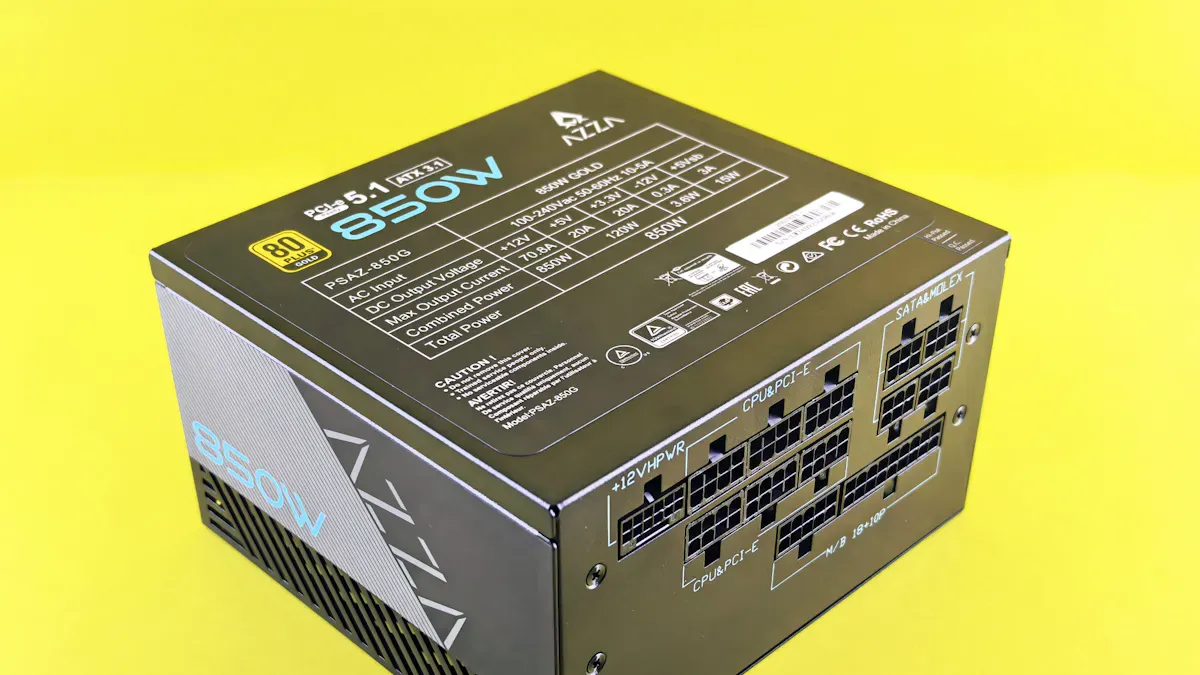
Linear and switching power supplies work in different ways, leading to core differences in their features. Linear power supplies typically produce low noise and a steady output; however, they are not very efficient, often only achieving about 50% efficiency. In contrast, switching power supplies are highly efficient, usually exceeding 80% efficiency and occupying less space. Understanding these core differences is crucial when selecting a power supply for your needs. Choosing the right type can significantly impact performance, cost, and reliability in various situations.
Core Differences in Operation
Linear Power Supply Operation
Linear power supplies work on a simple idea. They use a transformer to lower the voltage from the main supply. Then, a rectifier changes the AC voltage into DC. After that, the linear regulator smooths out the output voltage. This process has a feedback loop. An error amplifier checks the output voltage against a reference voltage. If the output is not right, the regulator changes the resistance of a power transistor. This change keeps the output voltage steady, even if the input voltage or load current changes.
Here are some key characteristics of linear power supplies:
Topic | Description |
|---|---|
Operating Principles | Covers the basic ideas of how linear power supplies work. |
Classification | Talks about different types of linear regulators and where they are used. |
Characteristics | Lists the features and details of linear power supplies. |
Advantages | Shows the benefits of using linear power supplies over other types. |
Disadvantages | Describes the limits and downsides of linear power supplies. |
Efficiency and Thermal | Discusses calculations about efficiency and managing heat. |
Switching Power Supply Operation
Switching power supplies use a different way to change and control power. They quickly switch on and off to manage the energy sent to the load. This method makes them much more efficient. The process starts with the input voltage being turned into a high-frequency square wave using a switch-mode converter. This square wave is then changed to the needed output voltage through pulse-width modulation (PWM).
Key parts of switching power supplies include:
High-Frequency Switching: Works at a frequency of 20 kHz to 150 kHz, which makes the transformer smaller than in linear supplies.
Pulse Width Modulation (PWM): Changes the output voltage by adjusting the duty cycle of the switching signal.
Feedback Control: Keeps the DC output steady by sending a control voltage back to the driver circuit.
Zero Voltage Switching (ZVS): Reduces switching losses by making sure switching happens when no current flows.
Switching power supplies are very efficient and produce less heat than linear power supplies. This efficiency is important for designs that need to be small and require little heat management.
Efficiency Comparison
Linear Power Supply Efficiency
Linear power supplies usually work at low efficiency, about 50%. This means they lose a lot of energy as heat. When you use one, extra voltage turns into heat. This can cause overheating in some cases. Because of this waste, they are not good for high-power uses where saving energy is important.
Switching Power Supply Efficiency
On the other hand, switching power supplies have much higher efficiency, usually between 85% and 90%. This high efficiency reduces energy loss, making them great for high-power uses. The table below shows the efficiency details of both types of power supplies:
Power Supply Type | Efficiency (%) | Characteristics |
|---|---|---|
Switching Power Supply | 85-90 | Reduces energy loss, good for high-power uses |
Linear Power Supply | Lower | Turns extra voltage into heat, good for low-power uses |
The efficiency of power supplies affects how much heat they create. Higher efficiency means less energy is wasted as heat. When a semiconductor carries current, it has a voltage drop. This drop causes energy loss that turns into heat. This idea is important to know how efficiency affects heat. If efficiency is low, power loss goes up, causing higher temperatures.
Size and Weight Differences
Linear Power Supply Size
Linear power supplies are usually bigger and heavier than switching ones. They are large because of the heavy parts they use, like transformers and heat sinks. Here are some common sizes and weights for linear power supplies:
Specification | Linear Power Supply Dimensions | Weight Range |
|---|---|---|
24V/5A (120W) | 200×100×80mm (1600cm³) | Heavier because of big parts |
12V/10A (120W) | 180×90×70mm (1134cm³) | Heavier because of big parts |
48V/3A (144W) | 220×110×85mm (2057cm³) | Heavier because of big parts |
The bigger size of linear power supplies can limit where you can use them. They work well for devices that stay in one place and don’t need to save space.
Switching Power Supply Size
Switching power supplies (SMPS) are usually smaller and lighter. Their smart design lets them use high-frequency transformers, which makes them smaller overall. Here are some important points about switching power supplies:
Compact Design: SMPS are popular in many common uses because they are smaller and create less heat.
Lightweight: SMPS are light, making them great for portable devices.
In audio uses, even though SMPS can work well, many people still like linear power supplies for their steady output and lower noise. This shows how size and weight can affect where you can use them.
When picking a power supply, think about these things:
Output Voltage: Make sure the power supply gives the right voltage for your device.
Output Current: The power supply needs to provide enough current to prevent overheating or breaking.
Application-Specific Needs: Different uses might focus on size, stability, or noise levels.
Choosing the right power supply based on size and weight can greatly affect how well your device works and how reliable it is.
Heat Generation and Dissipation
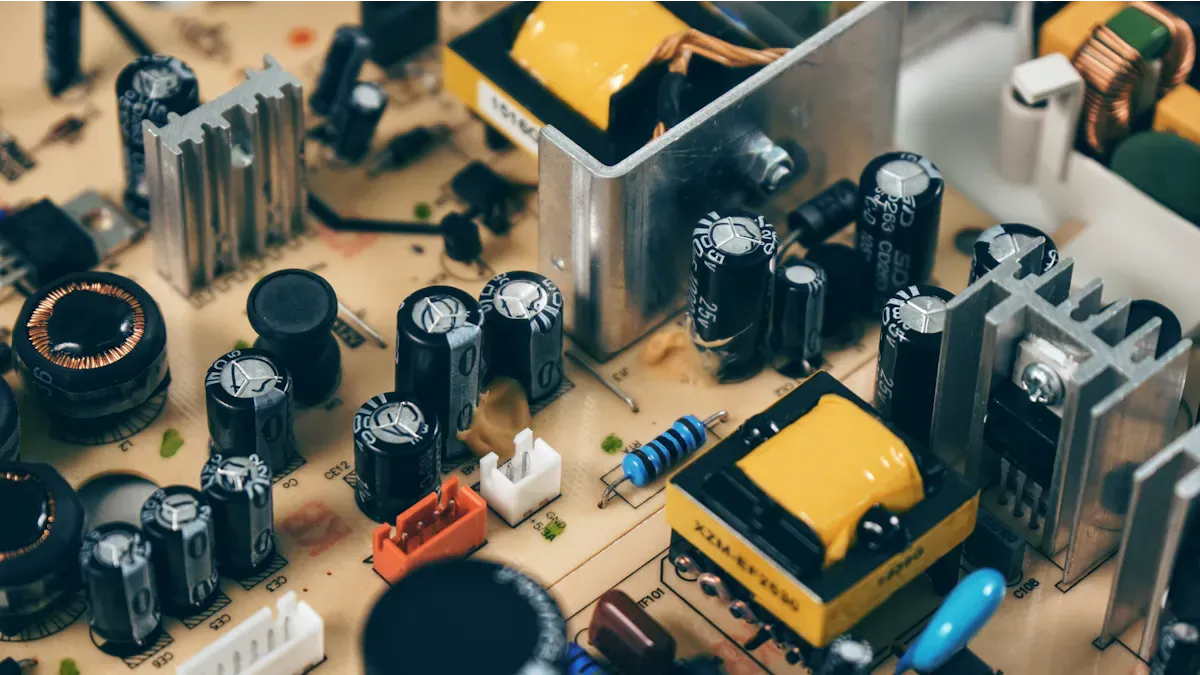
Heat in Linear Power Supplies
Linear power supplies create a lot of heat when they work. They are not very efficient, so they turn much of the input power into heat instead of useful energy. This heat can cause several problems:
Overheating: Too much heat can harm parts and shorten the power supply's life.
Cooling Requirements: You usually need big heat sinks or fans to control this heat. This need makes the power supply bigger and heavier.
Heat in Switching Power Supplies
Switching power supplies make less heat because they are more efficient. They use energy better, which means less wasted power. Still, they do produce some heat, and you should think about this in your design:
Compact Cooling Solutions: Since they make less heat, you can often use smaller cooling options, like heat sinks or even passive cooling.
Longer Lifespan: Lower temperatures can help parts last longer and work better.
To show how heat generation affects cooling and lifespan, look at this table:
Factor | Description |
|---|---|
Higher temperatures cause more wear-out failures, which hurt reliability. | |
Important for reducing heat effects and keeping performance over time. | |
Converter Lifetime | Estimated by thermal cycles to failure, affected by temperature changes and load conditions. |
Knowing how heat is generated in both types of power supplies helps you make smart choices. You can pick the right power supply based on your cooling needs and how reliable you want it to be.
Noise Levels and Interference
Noise in Linear Power Supplies
Linear power supplies make very little noise. They usually have a voltage post-regulation ripple and noise density (PARD) of about 1 mV RMS and a peak-to-peak value of 4 mV P-P. This low noise is good for sensitive uses. Here’s a quick look at their noise details:
Specification | Value |
|---|---|
Voltage PARD RMS | 1 mV RMS |
Voltage PARD Peak-to-Peak | 4 mV P-P |
Bandwidth | 20 Hz to 7 MHz |
Wider Bandwidth PARD RMS | 3 mV RMS |
Wider Bandwidth PARD Peak-to-Peak | 20 mV P-P |
Wider Bandwidth | 20 Hz to 20 MHz |
This low noise level is very important for devices like audio gear and medical tools. High noise can mess up signals, causing bad performance or even damage.
Noise in Switching Power Supplies
Switching power supplies are efficient but create more noise than linear ones. They work at high speeds, which can cause two main types of interference:
Common Mode Interference: This happens because of parasitic capacitance, adding unwanted noise to the system.
Differential Mode Interference: High-speed switching can create interference voltage on filter capacitors. This needs good quality parts to lessen the effect.
Radiated interference can be near-field or far-field. A changing current in a wire makes a magnetic field, which then creates an electric field. The features of this field depend on the current's strength and speed.
To control noise, you can use different methods:
Reflection: Use LC filters to cut down noise reflection.
Absorption: Add ferrite cores and chip beads to soak up unwanted signals.
Bypassing: Use capacitors and varistors to bypass noise.
Shielding: Metal cases and absorbers can protect sensitive parts.
In sensitive uses, high output noise can cause problems. For example, in audio devices, too much noise can hurt hearing, especially in kids. Active noise cancelling technology can help lower harmful sound levels, making listening safer.
Applications and Suitability
Applications for Linear Power Supplies
Linear power supplies are great for places where low noise and steady output are very important. You often see them in:
Audio Equipment: High-quality audio systems gain from the low noise of linear supplies. They make sure the sound is clear without any interference.
Test Equipment: Precision tools need stable voltage. Linear supplies give the reliability needed for accurate readings.
Medical Devices: In sensitive medical uses, low noise is very important. Linear power supplies help keep critical devices working well.
Applications for Switching Power Supplies
Switching power supplies are flexible and used in many industries. Their small size and high efficiency make them good for:
Consumer Electronics: They are the most common type here, making up about 30% of uses. Devices like laptops, smartphones, and home appliances depend on their efficiency and compact size.
Industrial Automation: With about 25% market share, switching supplies power machines and robots. Their reliability and ability to manage heat are very important in these areas.
Communication Systems: Making up 15% of the market, they are key for powering telecom systems, including 5G base stations and routers.
Linear Power Supplies | Switching Power Supplies | |
|---|---|---|
Design | Bulky mains transformer | Semiconductor switching circuit |
Efficiency | Lower efficiency | Higher efficiency due to switching methods |
Application Suitability | High-quality audio applications | General use, compact designs, various applications |
Noise Characteristics | Low noise | Ripple and noise require careful management |
Size | Larger due to transformer | Smaller due to high-frequency operation |
Safety Class | Class I (uses protective earth) | Class I or Class II (no protective earth) |
Knowing these applications helps you pick the right power supply for your needs. Each type has its own strengths, making them fit for different situations.
In conclusion, linear and switching power supplies are very different in efficiency, size, heat production, and uses. Linear supplies are quiet and provide steady output, but they are bigger and less efficient. Switching supplies are very efficient and smaller, which makes them good for many uses.
When picking between these power supplies, think about what you need. Here are some things to check:
Power Requirements: Know the power needs of your devices.
Efficiency Ratings: Find models that work above 85% efficiency to save energy.
Size Constraints: Think about how big the power supply is and how it fits in your design.
Design Features: Look at the efficiency and features that can affect how well it works and how long it lasts.
Safety Features: Make sure the power supply has protections against overloads, overvoltage, and short circuits.
Brand Reputation: Check brands that are known for being reliable and high quality.
By looking at these factors, you can make a smart choice that fits your needs.
See Also
Unveiling Innovative Aspects of Low Power Off-Line Switchers
A Comprehensive Guide to AC to DC Converter Operations
Simplified Explanation of Low-Dropout Linear Regulator Chips
Key Distinctions Between Evaluation Boards and Development Boards